Alexandria
Alexandria: what to see in Alexander's city in one or two days
Egypt's Greek capital on the Mediterranean: sights to see, the trip from Cairo, one or two days, the best season and tips from our Egyptologists.
By Ali Mahjoub, Spanish-speaking guidePublished on
In brief
Alexandria is the other Egypt: a Mediterranean city founded by Alexander the Great, capital of the Ptolemies and of Cleopatra, where you come for the Greek and Roman heritage rather than the pharaohs. Here is what to see and how to fit it into a trip.
- Location: on the Mediterranean coast, about 220 kilometres north west of Cairo
- Access: two and a half to three hours from Cairo, by train or by car
- Length: one day for the highlights, two to discover the city without rushing
- Must sees: Qaitbay Citadel, Bibliotheca Alexandrina, the Catacombs of Kom el-Shoqafa, Pompey's Pillar
- Best season: spring and autumn, summer is milder than in the south but very crowded
- With us: as an extension from Cairo, on request
Why visit Alexandria on a trip to Egypt?
Alexandria was founded by Alexander the Great in 331 BC and for nearly three centuries was the capital of the Ptolemies, the Greek dynasty to which Cleopatra belonged. It was the greatest city of the Mediterranean world, with its lighthouse, counted among the Seven Wonders of the World, and its library, which set out to gather all the knowledge of its time.
Little remains of the ancient city, covered by the modern one or sunk beneath the harbour. What you come for is an atmosphere: the Corniche facing the sea, cafés inherited from the cosmopolitan era, fish markets, and sites where Egypt blends with Greece and Rome like nowhere else. On a first trip, Alexandria comes after the Nile. On a second one, or on a two week trip, it brings a real contrast.
What should you see in Alexandria?
The main sights can be visited in one well organised day, starting with the catacombs in the south of the city and ending on the seafront at sunset.
At the end of the day, the Corniche, the gardens of Montaza Palace east of the city and a fish dinner picked from the stall round off the visit. The Eastern Harbour also hides sunken remains, including part of the royal quarter, explored since the 1990s and accessible by diving with a local club.
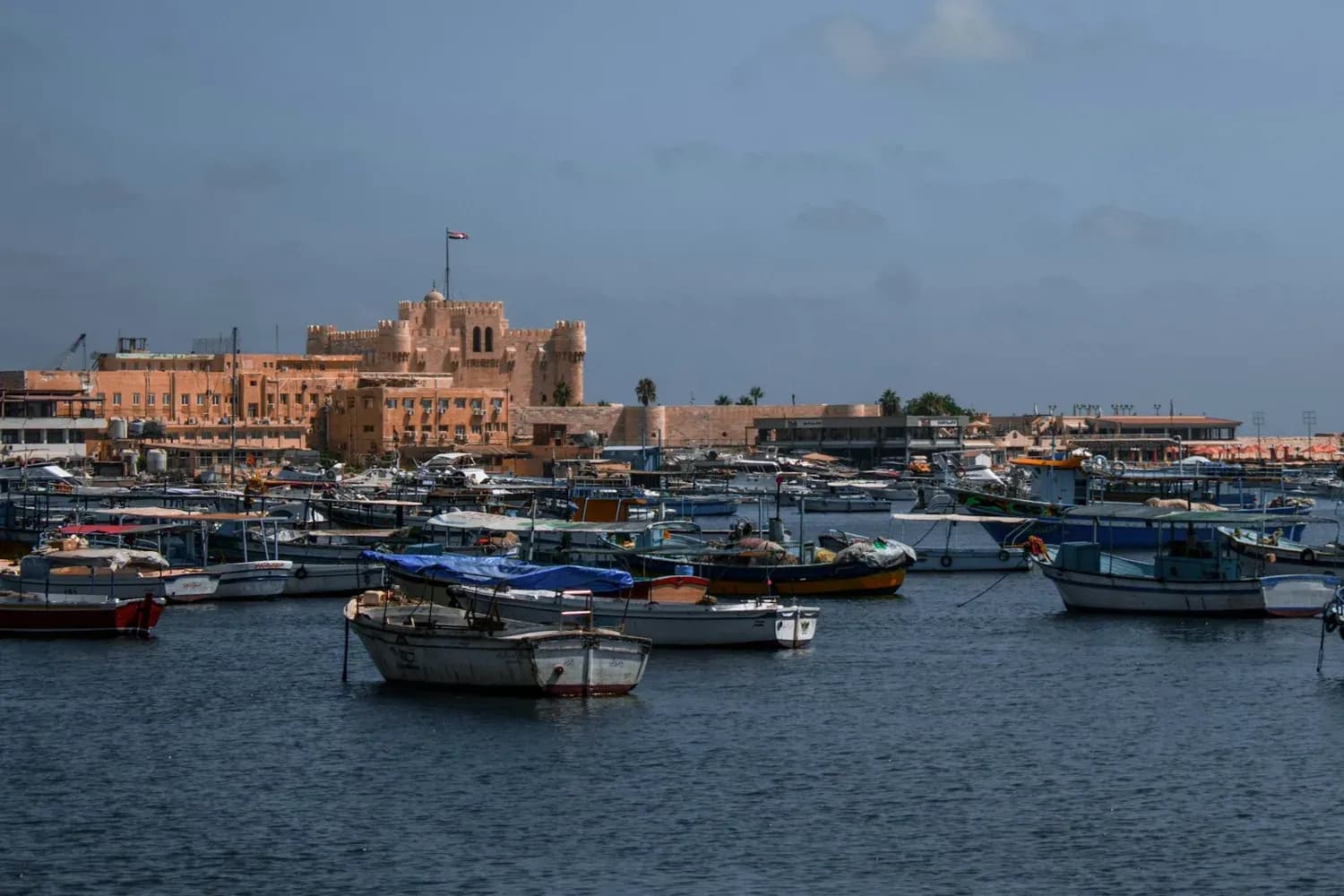
- Qaitbay Citadel, built in the late fifteenth century on the site of the ancient lighthouse, partly with its stones
- The Bibliotheca Alexandrina, opened in 2002 in tribute to the ancient library, with its museums and its granite wall carved with scripts from around the world
- The Catacombs of Kom el-Shoqafa, a Roman necropolis where Egyptian gods wear legionary armour
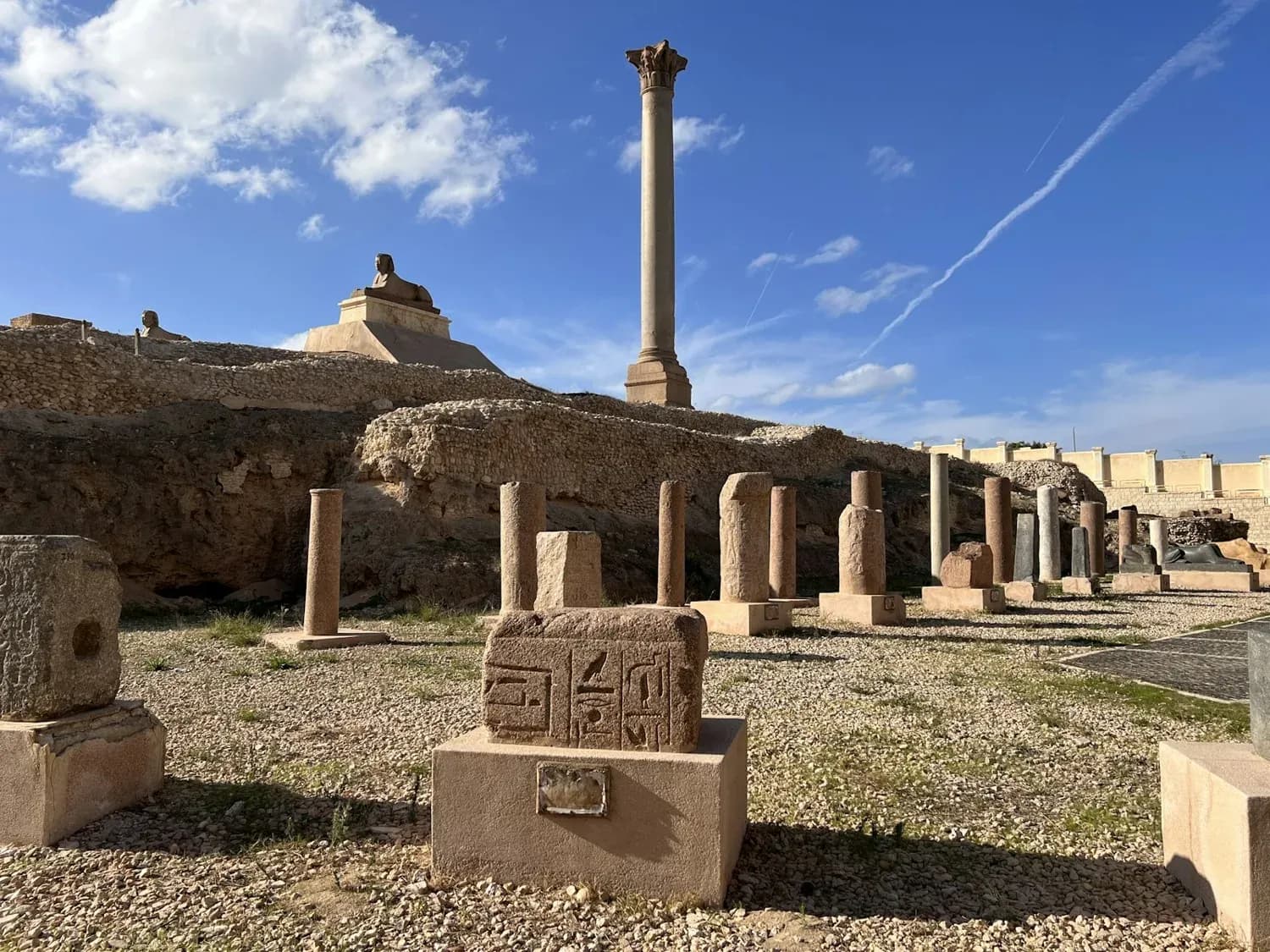
- Pompey's Pillar, a monolith of Aswan granite about twenty seven metres high, actually erected in honour of Emperor Diocletian
- The Roman amphitheatre of Kom el-Dikka, unique in Egypt, and its mosaics
- The Alexandria National Museum, which traces the city's history from the pharaohs to modern times
How do you get to Alexandria from Cairo?
Alexandria is about 220 kilometres from Cairo. By private car on the desert road, the journey takes between two and a half and three hours depending on traffic leaving Cairo. Trains also link the two cities from Ramses central station, in two and a half to three and a half hours depending on the type of train.
A day return trip is possible, but it leaves about six hours on site and means a very early start. Whenever the schedule allows, one night there changes everything: you see the Corniche in the evening and enjoy the sights without watching the clock.
Do you need one or two days to visit Alexandria?
One day is enough for the highlights: the catacombs and Pompey's Pillar in the morning, the Bibliotheca Alexandrina in the early afternoon, Qaitbay Citadel and the Corniche at the end of the day. Two days let you add the National Museum, Kom el-Dikka, Montaza and above all time to live the city, its cafés and its markets.
With three days, Alexandria becomes a base for excursions: Rosetta, where the stone that allowed Champollion to decipher hieroglyphs was found in 1799, or El Alamein and its Second World War cemeteries, on the road to Marsa Matruh and the Siwa Oasis.
When is the best time to visit Alexandria?
Alexandria has a Mediterranean climate, different from the rest of the country. Spring, from April to June, and autumn, from September to November, offer the best balance: mild weather and a lively but not overcrowded city. Summer is cooler than in Cairo or Luxor, but it is the Egyptian holiday season, and beaches and Corniche are packed.
Winter, from December to February, is the only season when it really rains in Egypt, and Alexandria is where it shows most: gusts of wind, rough seas and showers blow through in a few hours. That is no reason to stay away: bring a jacket and keep indoor visits for the grey days.
What do our Egyptologists recommend for Alexandria?
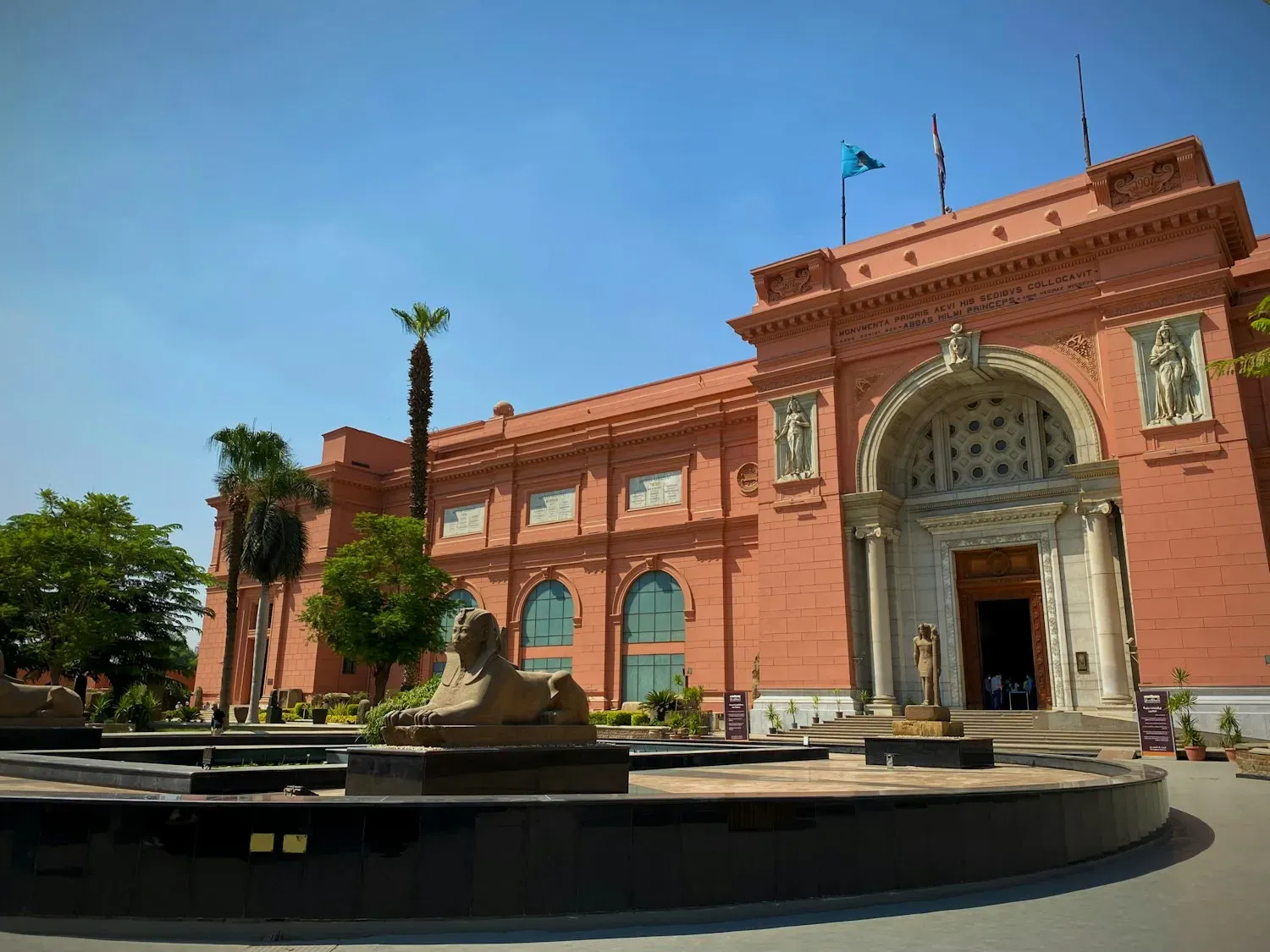
Visit the Grand Egyptian Museum or the Egyptian Museum before Alexandria, not after: the Greco Egyptian blend of the catacombs makes far more sense once you have seen the pharaonic gods in their original form. In the catacombs, look for Anubis in legionary armour, the one detail that sums up the whole city. And keep the last moment of the day for Qaitbay Citadel: there, facing the sea where the lighthouse once stood, you grasp what Alexandria used to be.
Related tours
Our trips that match this theme.


Also worth exploring

Égypte
Got a trip in mind?
Tell us what you're after: we'll craft a tailor-made itinerary and reply within 24h, no commitment.
Request a quote