Budget
How much does a trip to Egypt cost in 2026?
Flights, visa, site tickets, cruise, tipping: what a trip to Egypt really costs in 2026, line by line, with checked ticket prices and three levels of travel compared.
By Ali Mahjoub, Spanish-speaking guidePublished on Updated on
In brief
Allow between €500 and €2,000 per person for a week, flight included, depending on how you travel. The item almost everyone underestimates is neither the hotel nor the food, both of which stay inexpensive: it is site admissions, which have risen sharply since 2023 and now come to something like €200 per person on a full Cairo, Luxor and Aswan itinerary. Site prices are set in Egyptian pounds and revised several times a year: we have chosen not to copy them out here, and to point you instead to the official portal of the Ministry of Tourism and Antiquities, egymonuments.gov.eg, which alone is authoritative on the day of your visit.
- A week in Egypt: €400 to €650 on a shoestring, €800 to €1,200 in comfort, €2,000 and up at the top end
- Return flight from Europe: €200 to €500 depending on the season and how early you book
- Tourist visa: $30 for a single entry, $65 for multiple entries
- Site admissions: the most underestimated item, around €200 per person on a full itinerary
- Site prices: revised several times a year, check them on egymonuments.gov.eg before you leave
- Ticket desks at the major sites: card payment only, cash is no longer accepted there
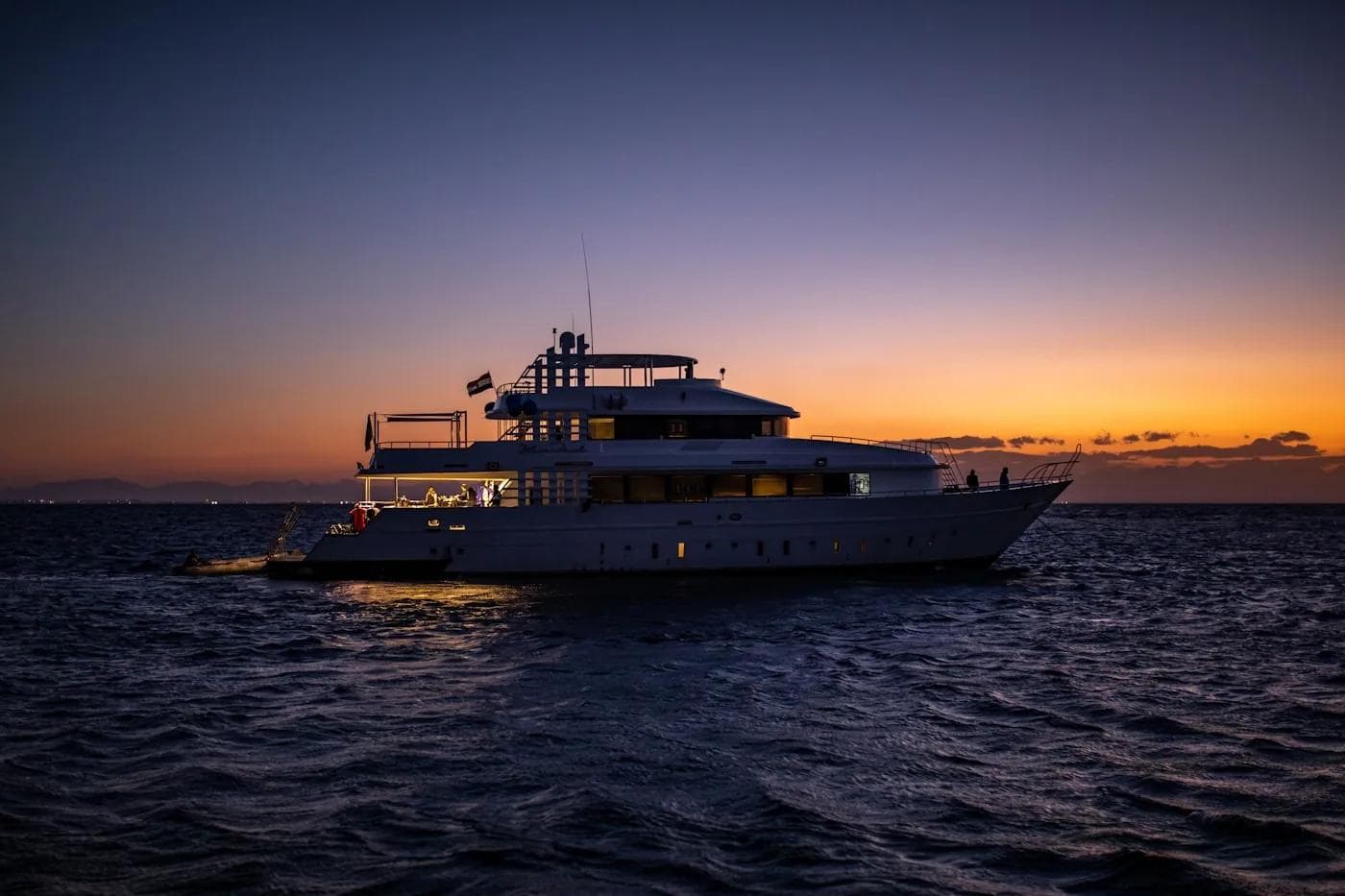
- Nile cruise of 3 to 4 nights: €250 to €450 per person depending on the boat
- Accommodation: €15 to €45 a night for a double room, so half that per person
- Tips: bring small notes, it is a local custom and not a scam
How much does a week in Egypt cost?
Between roughly 600 and 2,300 dollars per person including flights from Europe. That is a wide range, and an honest one: in Egypt two travellers visiting exactly the same temples on the same day can spend four times more or less than each other, depending on whether they sleep in hostels and take night trains or move between five star hotels and domestic flights. Travel comparison sites put a week at around 460 to 750 dollars backpacking, 920 to 1,390 in comfort and 2,300 and up at the top end.
What really moves the needle is not meals or taxis, which remain among the cheapest in the Mediterranean. It is four decisions: the season you fly in, whether or not you include a cruise, how many domestic flights you take, and how deep your sightseeing programme goes. The rest is marginal.
How much are the flight and the visa?
A return flight from Europe to Cairo sits between roughly 230 and 580 dollars, with the gap driven mainly by season and by how early you book. The busiest months, October to February, push prices up, while summer, when the heat deters Upper Egypt sightseeing, brings the lowest fares. From North America or Australia the flight becomes the single largest line of the whole trip and varies far too much to quote a useful figure here, so price it first and build the rest around it.
The visa is not negotiable: 30 dollars for a single entry and 65 for multiple entries, following the spring 2026 increase. The visa on arrival is paid in cash at the bank desk in the airport, the e-visa online by card on visa2egypt.gov.eg, the only official site. Beware of intermediaries charging three or four times that amount to fill in the same form on your behalf.
What do site tickets really cost?
This is the line that surprises people, by a wide margin. Plenty of blogs still claim admission never goes above ten euros, which stopped being true after the 2023 and 2024 increases. A couple doing Cairo, Luxor and Aswan properly now spends well over 450 dollars on tickets between them. That is no reason to cut back on it, since it is exactly what you came to see, but it belongs in the budget from the start rather than as a discovery at the ticket window.
We have deliberately chosen not to publish a site by site price list here. These prices are set in Egyptian pounds, revised several times a year, and the amount shown at online checkout sometimes differs from the one published on the site's official page. A list copied into a guide goes stale within weeks and creates a false impression of precision. The only figure that counts is the one displayed at the moment of purchase, on the official portal egymonuments.gov.eg or at the site's ticket desk.
Three practical markers, on the other hand. The major archaeological sites have moved to card payment: bring a card that works internationally, as cash is no longer accepted at those desks. The Grand Egyptian Museum is booked on its official site, tickets.gem.eg, and booking ahead remains the best way to avoid the queue and the resellers who add their margin. Finally, international student cards entitle you to a reduced rate, usually half the full price, which makes a real difference on a full itinerary.
- Official prices: check them on egymonuments.gov.eg, they are revised several times a year
- Card payment at most major sites, cash refused at the ticket desk
- Grand Egyptian Museum: book online at tickets.gem.eg, the only official site
- Valley of the Kings: several tombs carry a supplement on top of the entrance ticket
- Student rate: about half the full price, on presentation of an international card
- Order of magnitude to budget for: about €200 per person across Cairo, Luxor and Aswan
How much does a Nile cruise cost?
A standard three or four night cruise between Luxor and Aswan runs between roughly 290 and 520 dollars per person, full board included. It is by far the best value part of the trip: across those three days you pay for no hotel, no restaurants and no transfers between temples, and you sleep a hundred metres from the sites you visit the next morning.
Three things move that price far more than the star rating on the brochure. Season first, with an easy twofold gap between July and January. Then the type of boat: a sailing dahabeya carrying a dozen passengers costs considerably more than a hundred cabin vessel, and is not the same experience at all. And what the fare actually includes, since temple admission, drinks and crew tips are often billed separately.
Backpacking, comfort or tailor made: which budget buys which trip?
The three levels below describe one week per person including flights from Europe and excluding personal spending. None is better than the others: they buy different things. Backpacking buys time and freedom, comfort buys logistics and sleep, tailor made buys guidance and the hours you would otherwise lose to queues and haggling.
A word on where we stand, so you know who is talking. Osiris runs private guided trips, so mostly the third level. That does not stop us from saying that Egypt is perfectly doable independently when you have time ahead of you, patience for haggling and an appetite for handling the unexpected yourself. If those three conditions are met, the backpacking budget is entirely realistic.
- Backpacking, 460 to 750 dollars: hostels and simple hotels, night train, buses, street food, selected sites
- Comfort, 920 to 1,390 dollars: four star hotels, three night cruise, one domestic flight, a guide at the major sites
- Tailor made, 2,300 dollars and up: private vehicle and driver, dedicated Egyptologist, high end hotels or a dahabeya
- Identical in all three cases: site admission, 220 to 330 dollars across a full itinerary
- Highly variable: domestic flights, which save a full day but add noticeably to the bill
- Underestimated: tipping, to be planned from the start rather than at the end of the trip
How do you pay on the ground, cash or card?
Both, and not for the same things. A bank card has become unavoidable: it works in hotels, larger restaurants, agencies, and above all at the ticket desks of the major archaeological sites, which have moved to cashless payment. Cash remains necessary for everything else: tips, taxis, markets, cafés, horse drawn carriages. The local currency is the Egyptian pound, and that is what you should pay in: settling in euros or dollars in a shop almost always means accepting an unfavourable rate.
Three field rules. Change money at a bank or withdraw from an ATM, never in the street. Keep clean, recent dollar or euro notes if you plan to take the visa on arrival, because damaged bills are sometimes refused at the desk. And note that on entry the amounts you may carry are capped at 5,000 Egyptian pounds and 10,000 dollars.
How much should you set aside for tipping?
Baksheesh is part of how the country's economy works. It is neither a scam nor charity: it is payment for a service rendered, in a country where many tourism jobs are poorly paid. The right way to approach it is to budget it as its own line and to arrive with a stock of small notes, rather than dealing with it case by case.
The customs we see on the ground, offered as an order of magnitude and not a rule: a few tens of pounds for a porter, a site guardian or a one off service, more for a driver for the day, more again for a guide who is with you from morning to evening. On a cruise the crew is usually thanked once, at the end, often through a shared pot. None of this is compulsory, and a service poorly rendered is not rewarded.
How can you cut the budget without spoiling the trip?
By cutting into logistics, never into the visits. A traveller who saves a few tens of euros by skipping the inside of a pyramid and the Grand Egyptian Museum goes home feeling they missed the point; one who saves considerably more by travelling in May rather than January, or by taking the night train rather than the plane, loses nothing of the trip itself.
One last, less obvious point: past a certain threshold, cutting the budget stops saving money and starts costing time. Three hours spent haggling over a transfer, a morning lost hunting for a ticket window, a forced rest day after an uncomfortable overnight bus, all of it is paid for in travel days, and travel days are the most expensive resource of the whole trip.
- Travel between May and September: flights and hotels at their lowest, if you accept the heat
- Take the Cairo to Luxor night train rather than the plane: one hotel night saved
- Book the Grand Egyptian Museum online at the official price, never through a reseller
- Agree every price before the service, taxi, carriage or porter, in figures and out loud
- Share the cruise and transfers with others: it is the line that divides best
- Do not save on insurance or on bottled water: two false economies
- Ask for several detailed quotes and compare what is genuinely included, line by line
- Check site prices on the official portal before you leave, they move several times a year
Related tours
Our trips that match this theme.


Also worth exploring
Égypte
Got a trip in mind?
Tell us what you're after: we'll craft a tailor-made itinerary and reply within 24h, no commitment.
Request a quote